
Tower rush demo casino review and play tips guide - gameplay & how to play
Quick take for regular grinders: Tower Rush demo feels like a brisk, medium-high variance slot with most players reporting an RTP around the mid-96% area and tight hit windows, so expect rapid swings and short hot-and-cold stretches. Try to treat a practice session as a feel test rather than a win expectation, and remember the cadence is faster than slow, high-variance titles so your bankroll will move quickly if you size up.
| Metric | Typical |
|---|---|
| RTP | 95.5%–97.0% |
| Volatility | Medium‑High |
| Min bet | $0.10–$1.00 |
| Avg spin time | 3–4 seconds |
When you want to learn a new timing or bet ladder, do a short tower rush demo play session with small units and split your planned buy-in into 3–5 blocks; that helps you test timing without risking a full bankroll. Many casinos offer a mirror demo so you can check trigger frequency–try the tower rush demo game to see how free spins and bonus triggers behave before you stake real cash.
Move to real-money tables only after you’ve confirmed deposit/withdrawal speed, bonus rules and any promo codes you plan to use, and be ready for routine KYC and customer support checks at bigger wins. If you want to rehearse specific outcomes look for the in-browser variant or an app preview, then run a quick tower rush game demo play to verify where multipliers land and how the set pieces interact on different bet levels.
Final tip from other players: treat the minimum bet range as a way to extend sessions and protect variance, set clear stop-loss thresholds and time limits, and watch for site bonus terms and support responsiveness when you go live; wilds give nice overlay wins but they don’t change the underlying risk, so bankroll management beats chase mentality every time.
Tower Rush Demo: Hands-on Preview and Quick Guide
The hands-on look focuses strictly on feature mechanics and how the demo teaches the bonus-round loop. I ran the tower rush game demo to inspect how tower stacks trigger escalating rounds, and the safe demo environment is ideal for seeing whether free spins are literal respins or a separate bonus ladder. Observing the trigger animation and payline behavior in demo lets you time expectations without staking real funds, and gives a clear sense of hit frequency for the base game triggers that feed the bonus sequence.
Digging into the bonus architecture, the tower rush demo game showcases a multi-stage tower feature where each stage changes reel behavior and award pacing; intermediate rounds often add multipliers as you progress to higher floors. Trigger conditions typically rely on specific symbol clusters rather than random pop-ups, and volatility reads as medium-to-high during the demo because the big features pay intermittently. The demo makes visible how retriggers are stacked and whether progressive floors lock wins or only apply at round end, which is critical for judging feature value.
For quick, practical use: treat the demo as a controlled lab to map entry points, retrigger chances and the role of special symbols like wilds in stabilizing a volatile feature. Run several full bonus sequences back-to-back, note the frequency of advancement versus busts, and use that sample to set realistic session expectations when playing for real. If you want to practice strategy pacing and stake sizing before risking cash, the tower rush demo play is the cleanest method to learn the bonus rhythm and adapt your approach.
Step-by-step installation for the trial build: bonus-round focused setup
Begin by acquiring the trial build package and placing it in an isolated QA environment where coin and bet layers can be simulated. Install the build, import the game assets and enable the feature-flag that controls bonus-round logic so that triggers can be forced for consistent validation of free spins behaviour. After initial configuration and asset checks, launch the runtime to confirm boot logs and basic reel alignment. tower rush demo play

Next, open the internal admin console and set deterministic RNG seeds to force bonus-entry states; map the bonus-entry APIs so the client can request bonus round data directly from the server without real-money flows. Validate visual overlays and ensure wilds appear in the expected positions by running controlled spins, capturing frame-by-frame renders and hit-location telemetry to confirm alignment with payout tables.
Install the telemetry bridge and enable extended logging for round-state transitions so you can trace how multiplier stacks and prize aggregation behave across chained features. Run scripted sessions that increment bets to confirm scaling and compare expected outcomes to recorded payouts, then replay logs to reproduce edge cases for stacked reward triggers. tower rush demo run
Perform UI/UX tests for the bonus sequences, timing, and rewards screen: simulate interrupted sessions, reconnections and confirm that scatters consistently trigger the bonus regardless of mid-animation restores. Check analytics hooks, make sure event names are standardized for downstream reporting, and run a session that stresses concurrent bonus activations to confirm server-side throttles and queuing semantics.
Finalize by toggling the trial build to a controlled group and monitor early metrics for bonus conversion and retention while capturing detailed traces for any discrepancy between expected and actual flows. Validate payout integrity, bonus accounting, and rollback paths; document steps to reproduce any irregularity and archive test artifacts for later audits. tower rush demo game
Launching the executable and resolving common startup errors for bonus mechanics
When you launch the casino client's executable to test feature mechanics, the loader must initialize the bonus engine and asset packs before bonus rounds will behave correctly, so a failed start often suppresses triggers like free spins or hidden jackpot checks. If you see immediate crash dialogs or the app hangs on a branded splash, try running the file from the install folder and watch for any missing-module errors; this is a common sign that the executable cannot locate the bonus scripts required for the tower rush game demo play
Common startup faults tied to bonus rounds include blocked or quarantined component files, mismatched version manifests, and insufficient privileges preventing write access to local config that flags feature availability. Inspect the runtime log created by the executable for "feature load" timestamps and checksum mismatches, and temporarily disable overlay tools or antivirus to rule out hook conflicts that stop reward animation or asset streaming.
For deterministic fixes, validate the executable's integrity: use the client's verify option or replace the executable from an official build to ensure bonus trigger tables and event maps exist, because running a stale binary often loads default no-bonus mode as a safety fallback in a tower rush demo game. If the executable reports license or API handshake failures, ensure the network endpoint and certificate chain are reachable; a failed handshake can prevent server-driven progressive features from activating.
If the game still fails to initialize bonus mechanics after file verification, run the executable with administrative rights and examine the generated diagnostics; many operators include a debug toggle that outputs the bonus state machine and whether multipliers were registered during boot in the logs, which pinpoints missing resource IDs. When all local remedies fail, collect the startup log, note the exact error codes, and submit them to support together with reproduction steps so the team can correlate the failure with feature flags and push a corrected build to allow a clean tower rush demo run
Optimizing visuals and controls for smooth play on modest hardware
Optimizing visuals and controls on modest hardware reduces input lag and keeps frame rates stable so session feel matches game variance and payout expectations. Lowering resolution, disabling heavy post processing and using simple HUDs can make volatility feel clearer and help you notice payout patterns without device strain. For quick testing on low-end machines try tower rush game demo.
Always choose licensed casinos and check safety signals like SSL locks, visible licensing details and third-party audit certificates before linking accounts or entering payment data. Set in-game graphics presets to low and prefer keyboard or touch mappings that reduce accidental inputs; apply responsible limits, stop-loss rules and planned cooldowns to keep play conscious. You can also use local storage clearing and browser task limits to stabilize performance for a session such as when you do tower rush demo play.
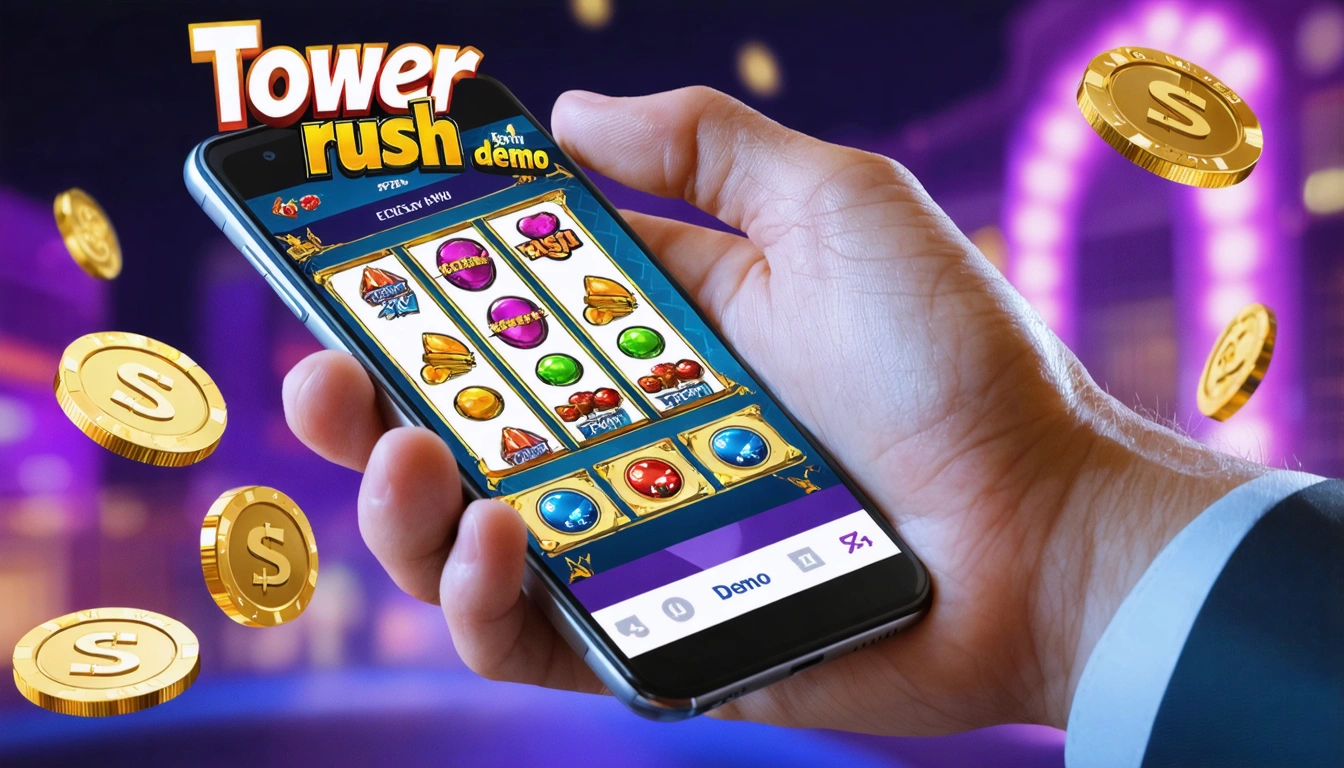
Keep background apps closed, enable hardware acceleration where supported, and map quick-repeat controls to reduce wasted clicks so variance feels attributable to the game, not lag. Monitor battery, thermals and network stability during sessions and stick to short sessions if performance degrades; explore bonuses or promo codes and new slots cautiously to see how offers behave under your settings. For reproducible checks on a constrained machine consider a dedicated trial like tower rush demo run.
Questions and Answers:
What is the Tower Rush demo?
Tower Rush demo is a free sample of the full Tower Rush experience, offering a handful of maps, towers, and enemy types. You can download and tower rush demo play from the official site to try core mechanics before purchasing.
How do I start a session in the demo?
Launch the demo, choose a scenario, and follow the on-screen tips to place towers and start waves. The tower rush game demo play option may appear in the main menu if a multiplayer mode is included in this build.
What controls should I learn first?
Controls are straightforward: select a tower, position it on the map, and upgrade when you have enough resources. If performance is slow, lower visual settings and then try to tower rush demo run to see if it improves.
How long does the demo last and does it include multiplayer?
How long the demo lasts varies by release; some builds offer a few short missions while others unlock a full skirmish mode. The tower rush game demo sometimes includes limited matchmaking so you can test multiplayer with friends.
Where can I report bugs or send feedback?
To report bugs or send feedback, use the in-demo feedback link or visit the official forum and post a clear description of the issue and steps to reproduce it. Developers check community reports and will respond when they can.
